

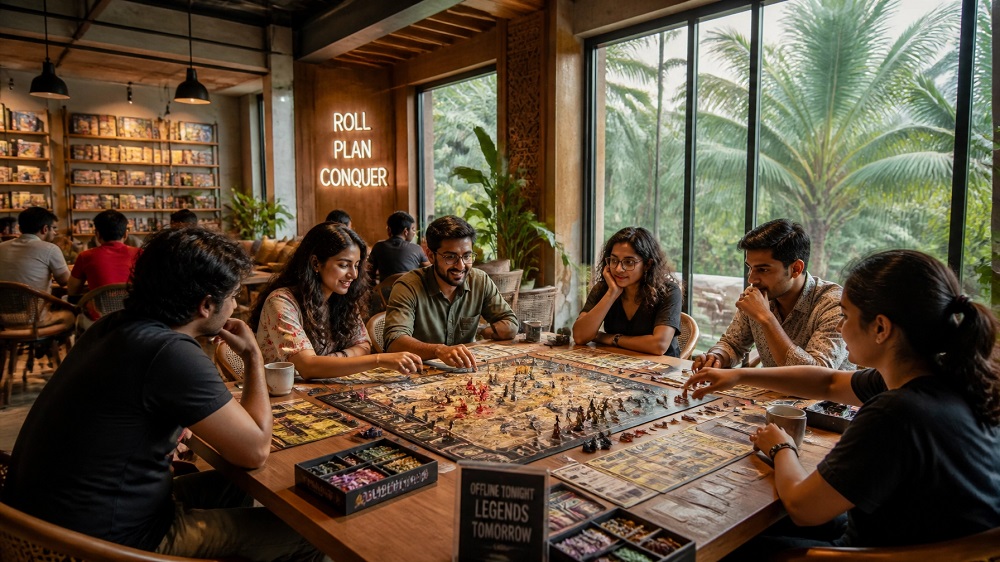
In an era dominated by hyper-realistic video games, virtual reality, and constant digital stimulation, one might expect traditional table games to fade into obscurity. Yet, physical table games are experiencing a remarkable renaissance. From cozy neighborhood cafes hosting board game nights to massive convention halls packed with enthusiasts, tabletop gaming has never been more vibrant. This enduring appeal defies the digital tide, proving that human beings retain a fundamental desire for tangible connection, tactile interaction, and face-to-face social engagement.
The modern table game landscape extends far beyond the classic titles of the twentieth century like Monopoly or Checkers. A thriving golden age of design has birthed an incredible variety of strategic, cooperative, and narrative-driven experiences. Understanding why modern players continue to gravitate toward these physical setups requires examining the unique blend of psychology, social dynamics, and innovative design that keeps people coming back to the table.
The Analog Antidote to Screen Fatigue
One of the primary drivers behind the resurgence of table games is the growing fatigue associated with constant screen time. Modern adults spend the majority of their working and personal lives staring at glowing monitors, smartphones, and televisions. This digital saturation creates a psychological craving for physical experiences.
Table games offer a tactile sanctuary. There is a distinct psychological satisfaction in handling heavy custom dice, shuffling cards with textured linen finishes, sliding wooden tokens across a board, and building three-dimensional landscapes. These physical interactions engage multiple senses, anchoring the player firmly in the present moment. Without the distraction of push notifications or pop-up windows, players can immerse themselves entirely in the shared reality of the table.
The Power of Social Connection and Shared Spaces
Humans are inherently social creatures, yet modern lifestyles often foster isolation. Even digital multiplayer games, while connecting people across continents, typically reduce communication to disembodied voice chats or text boxes. Table games restore the vital element of physical presence.
-
Nonverbal Communication: Sitting across the table allows players to read micro-expressions, celebrate victories together, and share groans over a catastrophic dice roll.
-
InCLUSIVE Environment: Table games naturally break down social barriers, providing a structured activity that makes interaction comfortable for both outgoing personalities and introverts.
-
Community Hubs: Local game stores, board game cafes, and meetup groups serve as modern town squares where diverse groups bond over shared cooperative or competitive goals.
This face-to-face interaction fulfills a deep emotional need for community. Whether working together to defave a virtual pandemic or scheming against one another in a political deduction game, the social friction and camaraderie forge genuine human bonds.
Modern Game Design Innovation
The table game industry has evolved dramatically over the last two decades, shedding outdated mechanics in favor of sleek, innovative design. Modern designers have streamlined rule sets, reduced frustrating player elimination mechanics, and introduced compelling themes that appeal to diverse interests.
Cooperative games represent a massive shift in the market. Instead of pitting players against one another in a zero-sum battle, many modern titles require everyone at the table to work together against the game itself. This design choice fosters teamwork and allows groups of varying skill levels to play harmoniously without anyone feeling alienated by a crushing loss. Additionally, legacy games—campaign-style experiences where the components permanently change, stickers are applied, and rules are added from session to session—have introduced serialized storytelling to the tabletop medium, keeping players hooked over dozens of sessions.
The Psychology of Strategy and Mastery
Beyond the social and tactile elements, table games appeal to the human mind’s love for problem-solving and mastery. Modern games often present complex economic puzzles, resource management challenges, and deep tactical decisions.
Players enjoy the intellectual stimulation of crafting a strategy, adapting to changing board states, and executing a winning plan. Unlike video games where artificial intelligence dictates the boundaries, table games require players to interact with living, breathing opponents whose moves are unpredictable. This dynamic intellectual engagement stimulates critical thinking and provides a profound sense of accomplishment when a complex strategy finally pays off.
The Collector Culture and Aesthetic Appeal
The visual and material production values of modern table games have reached unprecedented heights. Publishers invest heavily in gorgeous artwork, detailed miniature figures, custom wooden components, and high-quality production materials that transform a simple game box into a collector piece.
This aesthetic excellence elevates the unboxing and setup process into a ritual of anticipation. For many modern enthusiasts, collecting, painting miniatures, and organizing components inside custom inserts is an extension of the hobby itself. The pride of ownership surrounding a well-crafted game collection mirrors that of fine art or literature, appealing to hobbyists who appreciate fine craftsmanship.
Sustaining the Analog Renaissance
The enduring success of table games proves that technology and tradition do not have to exist in opposition. While digital tools assist in rule research and online playtesting, the heart of the hobby remains rooted in the physical gathering of friends and strangers around a shared surface. As long as people seek genuine connection, tactile engagement, and intellectual challenge, table games will continue to thrive in the modern world.
Frequently Asked Questions
What distinguishes modern table games from classic board games?
Modern table games typically feature more streamlined rule sets, reduced reliance on pure luck, diverse mechanics like worker placement and deck-building, cooperative gameplay options, and high-quality artistic production values compared to older roll-and-move classics.
Are table games difficult to learn for absolute beginners?
While some heavy strategy games require a significant learning curve, the modern hobby offers a vast spectrum of lightweight, accessible gateway games with simple rules that can be taught to newcomers in under ten minutes.
What is a cooperative table game?
A cooperative table game is a style of game where all players work together as a team to defeat a common mechanical opponent or achieve a shared objective, meaning either everyone wins or everyone loses together.
How do board game cafes work?
Board game cafes are social spaces where patrons can order food and drinks while selecting titles from a massive library of games to play at their tables, often with staff members available to recommend games and explain rules.
What are legacy games in the tabletop industry?
Legacy games are campaign-based experiences where the physical components are permanently altered, cards are torn or written on, and new rules are unlocked over a series of connected game sessions that form a continuous storyline.
Why do some table game players spend time painting miniatures?
Painting plastic or metal miniature figures included in games is a popular creative hobby that allows players to personalize their game components, enhance the visual aesthetic of the board, and relax through artistic expression.

Comments are closed.