

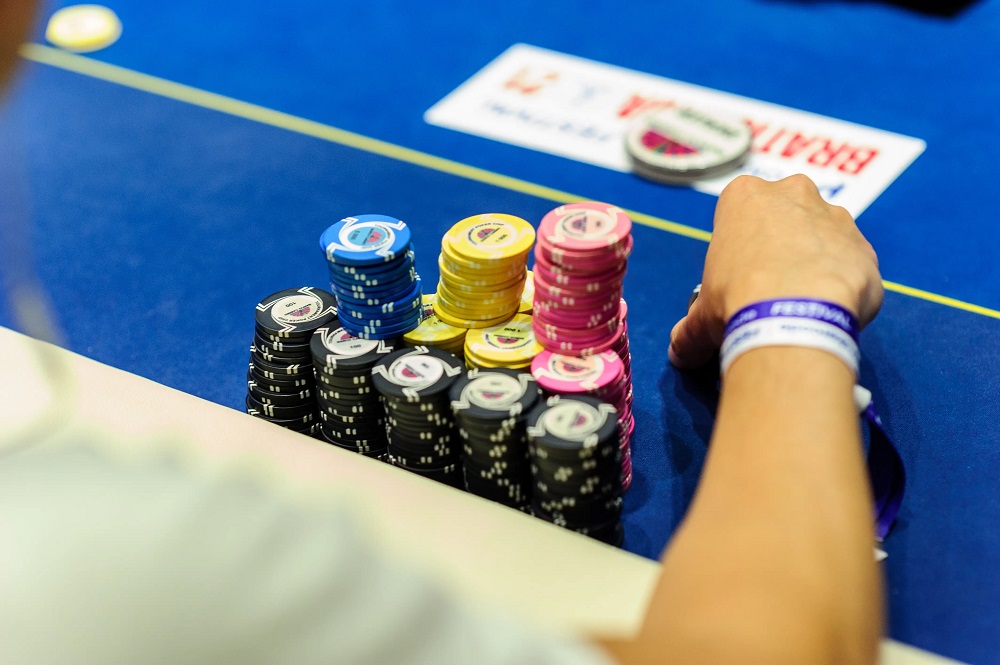
Most standard poker strategy content focuses heavily on short-stack and medium-stack dynamics, typically revolving around one hundred big blinds or fewer. This makes sense, as tournament poker and standard online cash games usually hover within these ranges. However, when players sit down at deep-stack cash games, high-roller tournaments, or home games featuring two hundred, three hundred, or even five hundred big blinds, the foundational rules of engagement change dramatically.
Playing deep stacks requires a complete philosophical shift. Mistakes that cost a fraction of a stack in a shallow game become catastrophic errors when hundreds of big blinds are sitting on the felt. Understanding how position, implied odds, bet sizing, and hand selection must evolve in deep-stack environments separates casual winners from elite poker tacticians.
The Expanded Power of Implied Odds
In short-stack poker, the primary metric governing preflop decisions is raw equity and pot odds. Hands like small pocket pairs and suited connectors lose value because the stack-to-pot ratio is too low to realize their long-term potential. In deep-stack games, the dynamic shifts entirely in favor of implied odds.
-
Speculative Hands: Suited connectors, small pocket pairs, and suited wheel aces skyrocket in value. When stacks are deep, hitting a hidden set, a straight, or a flush allows you to stack an opponent who holds top pair or overpairs.
-
Stack-to-Pot Ratio Awareness: The larger the stack, the wider the implied odds expand. You can comfortably call preflop raises with speculative holdings because the potential reward when you hit your monster hand covers the cost of missed flops.
-
Reverse Implied Odds Caution: Conversely, marginal high-card hands like offsuit Broadway cards lose significant value. Hitting top pair with a weak kicker in a deep-stack game often leads to losing massive pots against better kickers.
Mastering deep stacks means knowing how to extract maximum value when your speculative hand hits, while simultaneously folding marginal hands before investing too many chips.
The Crucial Importance of Position
Position is always critical in poker, but its value scales exponentially as stack depths increase. When playing with three hundred big blinds, the player acting out of position faces severe geometric pressure across multiple betting rounds.
Out-of-position players bleed chips because they lack information and control over the pot size. When stacks are deep, being forced to check-fold or call down multi-street aggression without the initiative destroys your win rate. Consequently, elite deep-stack players tighten their opening ranges from early positions while widening their button and cutoff ranges. Operating with position allows you to control the size of the pot, realize your equity more efficiently, and apply maximum psychological pressure on opponents who are forced to act first on the flop, turn, and river.
Navigating Multi-Street Aggression and Bet Sizing
With shallow stacks, betting ranges are relatively compressed, and players often rely on standard fraction-of-the-pot sizing. Deep-stack play demands a more sophisticated, multi-layered approach to sizing. Because pots can grow exponentially from flop to river, bet sizing must be geometric and forward-thinking.
-
Preflop Inflation: Deep-stack cash games often feature larger preflop open raises and multiple callers. You must adjust your calling thresholds to account for bloated multi-way pots.
-
Flop Sizing Adjustments: On dry boards, smaller continuation bets are often effective, but on dynamic, coordinated boards, sizing up protects your equity and charges drawing hands appropriately.
-
The Power of Overbets: On the turn and river, deep stacks allow for overbetting the pot. Applying pressure with bets larger than the pot size puts opponents holding vulnerable hands in extremely difficult spots, forcing them to fold strong holdings like top pair or two pair.
Balancing these sizing vectors ensures that opponents cannot easily exploit your tendencies or read the strength of your hand based on the number of chips you push forward.
Psychological Pressures and Mental Endurance
Deep-stack poker is not only an intellectual challenge; it is a brutal psychological test. When individual poker hands can swing by thousands of dollars or hundreds of big blinds, variance feels much heavier. A single misread river card can wipe out hours of careful profit.
Players must develop elite emotional resilience to handle severe downswings without altering their strategic baseline. Fear of losing a massive stack can cause players to become overly passive, missing crucial value extraction opportunities. Conversely, frustration can trigger reckless bluffs. Maintaining emotional detachment from the money on the table is a mandatory prerequisite for long-term success in deep-stack environments.
Adapting to Table Dynamics and Opponent Profiles
In deep-stack games, opponent tendencies dictate strategy much more than standard charts. Because stacks are so deep, you will encounter players who over-value strong hands, refusing to fold overpairs or sets regardless of the action.
Identifying these recreational tendencies allows you to exploit them ruthlessly. Against calling stations who hate folding, you can completely eliminate complex multi-street bluffs from your range and focus entirely on value betting your strong hands for maximum sizing. Against hyper-aggressive professionals, deep-stack play allows you to set sophisticated traps, letting them hang themselves with triple-barrel bluffs.
Mastering the Deep-Stack Mastery
Transitioning successfully to deep-stack poker requires patience, discipline, and a willingness to unlearn bad habits picked up from playing standard tournament formats. By respecting position, leveraging implied odds, sizing bets geometrically, and maintaining ironclad emotional control, you can turn deep stacks from a terrifying liability into your greatest competitive advantage.
Frequently Asked Questions
Why do pocket pairs increase in value during deep-stack games?
Pocket pairs increase in value because hitting a set on the flop creates massive implied odds, allowing you to win stacks of chips from opponents who hold overpairs or top pairs that they cannot bring themselves to fold.
How does playing deep stacks affect preflop three-betting strategies?
Deep stacks require wider and more polarized three-betting ranges, mixing premium value hands with blocker-heavy suited Aces and connectors to counter positional disadvantages and build manageable pots.
What is the primary danger of playing offsuit broadway cards deep stacked?
The primary danger is reverse implied odds, meaning when you hit top pair, you frequently find yourself outkicked by opponents holding superior high-card combinations, leading to massive losses over multiple betting rounds.
Why are multi-way pots dangerous when playing deep stacks?
Multi-way pots inflate quickly and increase variance, making it difficult to gauge opponent ranges and often requiring a disguised monster hand to safely continue past the flop without risking your entire stack.
How can a player overcome fear when playing deep stack cash games?
Players can overcome fear by ensuring their bankroll management is strictly disciplined, treating chips as abstract units rather than liquid currency, and stepping away from the table immediately if emotional tilt sets in.
Why do solvers recommend sizing up bets on dynamic board textures?
Solvers recommend larger sizing on coordinated, wet boards to deny equity to drawing hands like straight draws and flush draws, forcing opponents to pay a heavy price to chase their cards.

Comments are closed.