

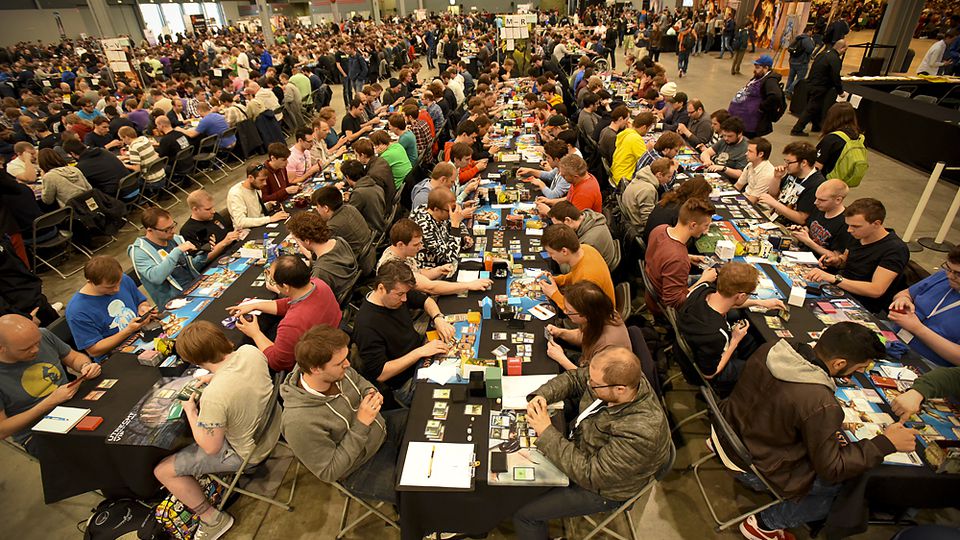
The world of competitive gaming has expanded far beyond the glowing screens of computers and video game consoles. For decades, physical card games were viewed as a niche hobby played in the back corners of comic book shops and basement game rooms. Today, competitive trading card game tournaments attract thousands of players from around the globe, filling convention centers and drawing massive online streaming audiences. This transformation from casual kitchen-table pastime into a structured global sport represents one of the most intriguing shifts in modern gaming culture.
Several factors have fueled this remarkable ascent. Improved organized play structures, higher cash prize pools, and the integration of digital platforms have elevated trading card games into major esports contenders. Players are no longer just hobbyists collecting pieces of cardboard; they are professional competitors who study matchups, analyze data, and travel the world for championship titles.
The Humble Beginnings of Tabletop Competition
Competitive card gaming traces its roots back to the early 1990s when the modern trading card game genre was born. The introduction of pioneering titles established the foundational rules of resource management, deck building, and head-to-head combat. In the early days, tournaments were localized and informal, organized primarily by local comic shops or independent hobby stores with modest prizes like booster packs or promotional cards.
As these games gained traction, publishers realized the potential to build structured organized play systems. Regional and national championships began to emerge, transforming local hobbyists into regional champions. These early events laid the groundwork for professional circuits, establishing a standardized rule set and creating a competitive ladder that aspiring players could climb.
The Shift Toward Global Esports and Professionalization
As the community expanded, the structure of competitive card game tournaments began to mirror traditional sports and modern esports leagues. Major publishers invested heavily in global tournament circuits, offering substantial financial incentives that changed the landscape of competitive play.
-
Lucrative Prize Pools: Championship events now boast prize pools reaching hundreds of thousands of dollars, alongside scholarships and invitations to world-stage showdowns.
-
Global Tour Circuits: Players compete across regional qualifiers, international championships, and world finals, creating a year-round competitive ecosystem.
-
Team Sponsorships: Professional esports organizations began signing elite card game players, providing salaries, travel support, and media training.
This professionalization legitimized the career path of a competitive card player. Top competitors now utilize advanced statistical analysis, hiring coaches and testing groups to gain marginal advantages in the meta.
The Role of Digital Integration
One of the most significant catalysts for the recent growth of competitive card games is the successful transition into digital spaces. While physical cards remain the gold standard for premier championships, digital clients have revolutionized how players practice and qualify for major events.
Digital adaptations allow competitors to play matches against opponents from any corner of the world at any hour of the day. This constant accessibility accelerates the evolution of game strategies. When a new card set is released, millions of digital matches are played within days, allowing the global community to solve the competitive meta much faster than ever before. Furthermore, digital open qualifiers have democratized access to major tournaments, enabling players from remote regions to earn championship invitations without needing expensive travel budgets.
The Psychology and Skill of High-Level Play
To the untrained eye, card games may appear heavily reliant on luck due to the random nature of drawing cards from a shuffled deck. However, elite tournament results consistently feature the same top-tier players, proving that skill, probability management, and decision-making heavily outweigh variance over the course of a tournament.
Competitive players must master multiple disciplines to succeed at the highest level. They need deep knowledge of every card in the active card pool, precise calculation of probability odds, and strong emotional control to handle the psychological pressure of high-stakes matches. Reading an opponent’s hidden intentions and bluffing through resource management turn a simple card match into a high-level psychological duel.
Economic Impact and Community Culture
The booming tournament scene has created a robust secondary market and a vibrant community culture. The value of rare, competitive tournament-legal cards can skyrocket, turning certain pieces of cardboard into sought-after collector items or financial assets. Local game stores serve as community hubs where veterans and newcomers gather weekly for local tournaments, fostering a strong sense of camaraderie.
This welcoming environment is a cornerstone of the community. Despite the intense competitive nature of championship matches, the tradition of shaking hands, reviewing mistakes post-game, and trading strategy advice keeps the culture grounded. The social aspect ensures that the community continues to grow, welcoming new generations of players into the fold.
Frequently Asked Questions
What makes a trading card game suitable for competitive play?
A competitive trading card game requires deep strategic depth, balanced mechanics that minimize luck, a diverse card pool that allows for varied deck-building strategies, and active developer support through regular balance updates and organized tournament structures.
Do professional card game players earn a full-time living?
While top-tier champions who secure major tournament victories, sponsorships, and content creation revenue can earn a comfortable living, the vast majority of competitive players balance regular careers or education alongside their tournament pursuits.
How do players qualify for world championship events?
Players typically earn qualification by accumulating championship points through high finishes at regional, national, and international tournaments, or by winning specific high-stakes digital qualifiers hosted throughout the competitive season.
What is rotation in trading card game tournaments?
Rotation is a rule implemented by game publishers where older card expansions are removed from standard tournament play after a set period. This keeps the competitive environment fresh, prevents games from becoming stagnant, and allows designers to introduce new mechanics safely.
How do judges manage rule disputes during major tournaments?
Major tournaments employ certified judges who undergo rigorous testing on game rules and policy guidelines. When a dispute arises, players call a judge to the table, and the judge makes an official ruling based on the comprehensive rulebook and tournament regulations.
Can casual players enter major competitive tournaments?
Most major tournaments operate on an open-entry basis, meaning anyone who purchases a competitor badge or registers in time can participate, offering everyday players a chance to test their skills against world champions.

Comments are closed.