

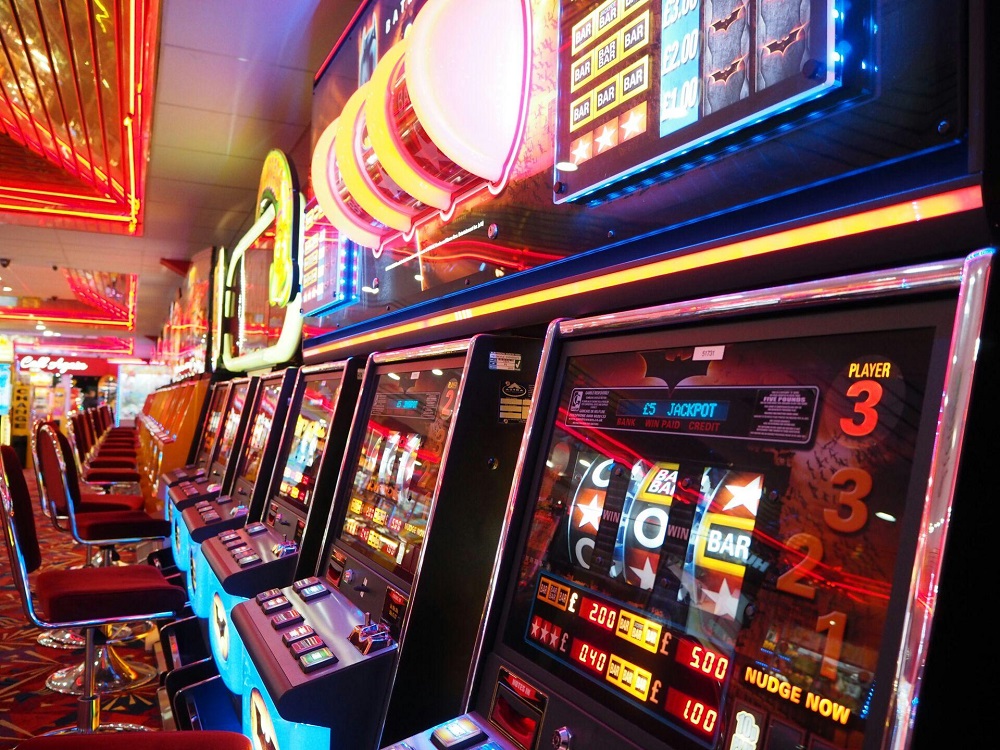
Walking onto a modern casino floor reveals an environment far removed from the mechanical spinning reels and clinking metal coins of the past century. Today, slot machines are sophisticated entertainment hubs powered by cutting-edge computer hardware, advanced graphic processors, and immersive software engineering. As player demographics shift and consumer expectations rise, game manufacturers are locked in a relentless race to integrate groundbreaking technologies into their cabinets.
This technological evolution is not merely about making games look flashier. It represents a fundamental shift in how physical and digital entertainment intersect. By leveraging innovations originally developed for high-end video games, virtual reality, and cinematic production, modern slot machines provide an interactive experience that captivates a new generation of players. Exploring the hardware and software architectures driving this transformation uncovers the complex engineering behind modern casino floors.
Advanced Graphic Engines and High-Definition Hardware
The visual fidelity of modern slot machines has taken a massive leap forward, matching the standards set by modern home gaming consoles and PC hardware. Early video slots relied on simple two-dimensional sprites and basic pixel animations. Next-generation cabinets utilize powerful, dedicated graphic processing units capable of rendering complex three-dimensional environments in real-time.
Curved ultra-high-definition displays dominate modern cabinet design, offering expansive canvases for intricate game art and explosive bonus animations. These screens feature rapid refresh rates and vibrant color reproduction, ensuring that every spin is accompanied by cinematic visual effects. Furthermore, multi-screen configurations allow manufacturers to separate core reel action from upper-box bonus features, creating a dynamic visual hierarchy that guides the player through distinct gameplay phases.
Immersive Audio Architecture and Haptic Feedback
Sight is only one component of the sensory immersion engineered into modern slot machines. Audio engineering has become a critical discipline in game design, utilizing multi-channel spatial sound systems that rival modern home theater setups.
-
Directional Soundscapes: Speakers integrated directly into the player chair or surrounding the cabinet bezel project audio cues that track movement on the screen, creating a personalized acoustic envelope.
-
Dynamic Soundtracks: Music dynamically shifts in tempo and intensity depending on the game state, escalating during bonus rounds to heighten excitement.
-
Tactile Haptic Feedback: Modern buttons and seats feature built-in tactile transducers that vibrate or pulse in sync with on-screen events, allowing players to physically feel the impact of a bonus trigger or a major win.
This multi-sensory integration tricks the brain into a state of deep engagement, making the physical act of playing far more visceral and memorable.
The Integration of Gesture Control and Biometric Sensors
Beyond standard button panels and touchscreens, forward-thinking manufacturers are experimenting with novel input methods that redefine human-computer interaction on the casino floor. Gesture control technology, powered by advanced motion-sensing cameras, allows players to interact with specific bonus rounds simply by waving their hands or making physical gestures in front of the cabinet.
Biometric sensors are also finding their way into specialized hardware prototypes. By monitoring player physiological responses through heart rate tracking or facial micro-expression analysis, adaptive game systems can subtly alter pacing, lighting, or audio tones to optimize comfort and engagement. While still evolving, these biometric layers point toward a future where entertainment hardware responds directly to the player’s internal state.
Sophisticated Random Number Generation and Compliance
Beneath the flashy graphics and immersive audio lies the core engine of every slot machine: the Random Number Generator. While the concept of generating random outcomes is foundational to gaming, the technology behind modern RNG systems has grown increasingly sophisticated to meet strict regulatory oversight.
Modern cryptographic RNG algorithms run continuously, producing thousands of number sequences per second. When a player presses the spin button, the system locks in the exact millisecond value, determining the final reel stop positions instantly. Regulatory testing laboratories subject these algorithms to rigorous statistical analysis, ensuring absolute fairness and unpredictability. The technology guarantees that past spins have zero influence on future outcomes, maintaining the mathematical integrity of the game.
Cloud Connectivity and Server-Based Gaming
Historically, every slot machine operated as a standalone unit, requiring technicians to physically swap out game chips or hard drives to update software titles. Modern casino floors operate on server-based gaming networks, fundamentally changing how operators manage their floors.
Cloud architecture allows casinos to download, update, and deploy new game themes remotely within minutes. This connectivity also enables wide-area progressive jackpots that link machines across multiple states or properties, pooling contributions to generate life-changing multi-million-dollar prize pools. Real-time telemetry data streams back to central servers, allowing operators to analyze machine performance, track maintenance needs, and optimize floor layouts dynamically.
Shaping the Future of Floor Entertainment
The convergence of high-end graphics, spatial audio, advanced hardware mechanics, and cloud connectivity has transformed slot machines from simple mechanical novelties into technological marvels. As engineers continue to push the boundaries of what interactive cabinets can achieve, the line between traditional gambling and immersive video game entertainment will continue to blur, ensuring that the modern casino floor remains at the cutting edge of digital innovation.
Frequently Asked Questions
How do curved ultra-high-definition displays improve gameplay?
Curved displays wrap around the player’s natural field of vision, reducing visual distractions from the surrounding environment and creating a more immersive, cinematic focal point for intricate game animations and bonus features.
What is a wide-area progressive jackpot network?
A wide-area progressive jackpot network links hundreds or thousands of slot machines across different casinos to a single centralized server, allowing a tiny fraction of every wager placed on any connected machine to feed a massive, rapidly growing shared prize pool.
Why is haptic feedback important in modern slot machine design?
Haptic feedback adds a physical dimension of touch to the gaming experience, letting players feel mechanical clicks, rumbling bass during big wins, or subtle pulses that reinforce on-screen visual cues and heighten excitement.
Can casino operators change slot game math models remotely?
While software can be updated remotely via secure server-based networks, any modification to a game mathematics model or payout percentage must still comply with strict jurisdictional regulations and undergo mandatory testing by independent compliance laboratories before deployment.
What role do graphic processing units play in modern slots?
Dedicated graphic processing units handle the heavy computational load required to render complex three-dimensional graphics, particle effects, and high-framerate animations smoothly on large multi-screen cabinets without stuttering.
How do modern slot machines ensure game outcomes are truly random?
Modern machines use certified cryptographic random number generators that continuously cycle through vast numbers of numerical sequences at high speeds, locking in a completely unpredictable result the exact microsecond the spin button is activated.

Comments are closed.